 25°C
25°C

La Romana Moves Toward Ecotourism Status With RD$200 Million Plan
The Dominican Republic's Senate has approved a bill declaring La Romana an ecotourism province, proposing RD$50 million in annual public funding for four years and incentives for private investment in sustainable tourism.


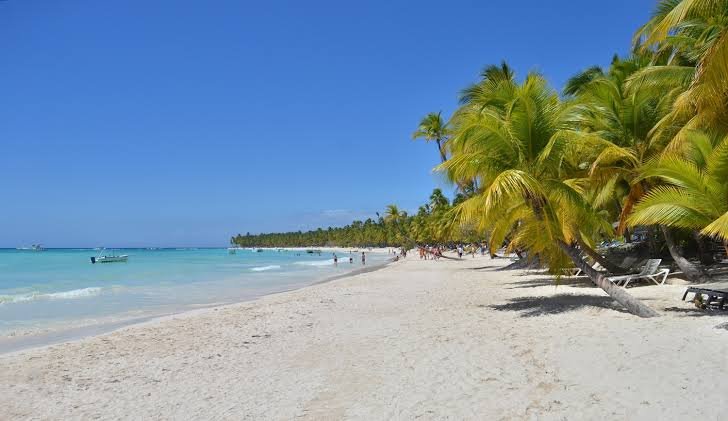
La Romana is moving toward a broader tourism model after the Dominican Republic’s Senate approved in second reading a bill that would designate the province as an ecotourism destination. The proposal combines public funding, private investment incentives and the creation of a dedicated development council.
The measure was approved with the support of 21 senators and proposes RD$50 million in annual state funding for four years, for a total of RD$200 million. The funds would support initiatives designed to link tourism development with environmental conservation, local economic activity and community participation.
RD$200 Million Proposed for Ecotourism Development
The bill calls for the creation of the La Romana Ecotourism Development Council, which would be responsible for guiding, promoting and regulating activities associated with the province’s ecotourism sector.
Under the proposal, RD$50 million would be allocated each year through the Dominican Republic’s General State Budget during the four-year period. The council could also receive contributions from private-sector participants, provided those arrangements comply with the institution’s ethical and governance requirements.
The proposed investment is intended to support projects that expand the province’s tourism offering while incorporating natural resources, cultural attractions and local communities into new visitor experiences.
A Broader Tourism Offer for La Romana
La Romana already has an established tourism industry, but the proposed ecotourism designation seeks to broaden the province’s appeal beyond traditional sun-and-beach tourism. Nature-based activities, cultural experiences and community-oriented projects could create additional products for visitors and new opportunities for local businesses.
The legislation also proposes tax incentives for qualifying ecotourism projects, using the benefits established under Law 158-01, the Dominican Republic’s tourism development incentive framework, as a reference. The precise application of those exemptions would depend on the final legislative provisions and implementing process.
For travelers, a stronger ecotourism offering could make La Romana more relevant to visitors seeking experiences connected to nature and local communities in addition to the province’s established coastal attractions. For local entrepreneurs, it could open space for businesses built around guided experiences, conservation-oriented activities, cultural tourism and other forms of sustainable visitation.
Infrastructure Could Support New Tourism Products
The proposed designation comes as La Romana is also receiving investment in tourism-related infrastructure. In June 2026, the Ministry of Tourism began reconstruction work on access to Caleta Beach, with an investment of RD$264 million covering an 8.85-kilometer route.
Improved access can make it easier to develop and connect tourism attractions, particularly when combined with investment in new experiences and services. The combination of infrastructure improvements, public funding and private-sector participation could strengthen the wider La Romana-Bayahibe destination as visitors gain access to a more diverse range of activities.
Senate Approval Does Not Yet Make the Measure Law
The ecotourism designation has not yet taken effect as law. Following its Senate approval, the bill must be considered by the Chamber of Deputies, the lower house of the Dominican Congress, before continuing through the remaining legislative process.
If approved without changes, the measure could then be sent to the executive branch for consideration and possible promulgation. Its final scope, including the implementation of funding and tax incentives, will therefore depend on the outcome of that process.
If enacted, the initiative would give La Romana a formal framework for expanding nature- and culture-based tourism while seeking to preserve the resources on which those activities depend. For the Dominican Republic, it would also add another component to a tourism strategy increasingly focused on diversifying destinations and experiences across the country.