 27°C


Santo Domingo Botanical Garden: A Complete Visitor’s Guide
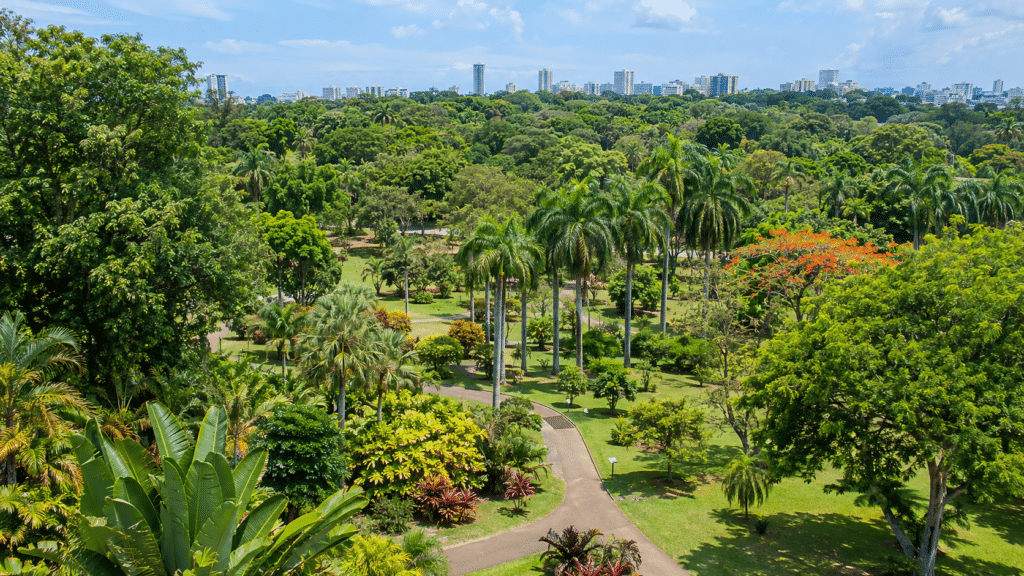
The National Botanical Garden of Santo Domingo, officially known as the Dr. Rafael María Moscoso National Botanical Garden, is one of the Dominican Republic's most important urban green spaces. Covering approximately two million square meters, this extensive natural reserve brings together tropical plant collections, native and endemic species, orchid displays, landscaped gardens and educational areas. Visitors can explore its grounds on foot or take a ride on the internal tourist train, with highlights including the Japanese Garden, the fern pavilion and several botanical exhibitions that offer a different perspective on the country's natural heritage.


What Is the Santo Domingo Botanical Garden?
The Dr. Rafael María Moscoso National Botanical Garden (Jardín Botánico Nacional Dr. Rafael María Moscoso) is a large botanical reserve in the northern part of Santo Domingo, the capital of the Dominican Republic. It was established to study, preserve and promote the country’s plant diversity, while also providing a public space for environmental education and recreation.
Created under Law 456 of 1976, the garden officially opened on August 15 of that year. It was named after Rafael María Moscoso, a Dominican botanist recognized for publishing a catalog of the flora of Hispaniola in 1943. The institution is also connected to the country’s environmental conservation efforts and botanical research.
Covering approximately two million square meters, or 200 hectares, the garden is widely recognized as one of the largest botanical gardens in the Caribbean. Its collections include native and introduced tropical plants, palms, orchids, ferns, bromeliads, cacti, aquatic plants and medicinal species.
Although it is a popular destination for walking, photography and family outings, the garden is more than a recreational park. Its scientific departments work on botanical research, plant conservation, horticulture and environmental education. This combination makes it an interesting destination for visitors who want to understand more about the natural environment of the Dominican Republic.
Where Is the Botanical Garden in Santo Domingo?
The National Botanical Garden is located in the Altos de Galá sector of the National District, in northern Santo Domingo. Its main entrance is at the intersection of Avenida República de Colombia and Avenida Los Próceres.
The location is outside the Colonial Zone and the main waterfront areas, so visitors generally need to travel by car, taxi or ride-hailing service to reach it. It is a convenient excursion for travelers staying in central Santo Domingo who want to spend a few hours away from the city’s busiest streets.
The garden is a substantial property, and its different attractions are spread across a wide area. Checking the official visitor map before entering can help you identify the main sections and decide which ones to prioritize.
Main Attractions and Areas to Explore
The botanical garden contains several themed spaces and plant collections. Some are designed primarily for relaxation and landscape appreciation, while others provide a closer look at particular botanical groups or the ecosystems of Hispaniola.
1. The Japanese Garden
The Japanese Garden is one of the best-known and most photographed areas of the property. Its landscaped design combines carefully maintained vegetation, water features, bridges and open spaces to create a setting inspired by traditional Japanese garden aesthetics.
Bamboo, ornamental plants, trees and lakeside scenery contribute to its distinctive appearance. The contrast between this carefully designed landscape and the surrounding tropical vegetation makes it one of the most recognizable places in the garden.
It is a good place to pause during a visit, take photographs or simply enjoy a quieter environment. The surrounding lawns and water features also make this area particularly appealing to visitors who want to spend time outdoors without following a demanding walking route.
2. The Orchid Collections
Orchids are among the most attractive botanical collections associated with the garden. The Dominican Republic has a diverse native orchid flora, and the institution contributes to the study, conservation and public appreciation of these plants.
The garden’s orchid displays introduce visitors to the variety of shapes, colors and growth habits found within this large plant family. Some orchids grow on trees as epiphytes, while others develop in different terrestrial environments. Understanding these differences helps explain why orchids are found in a range of habitats across the Caribbean.
The garden also hosts orchid exhibitions organized in collaboration with the Dominican Orchid Society. These events typically feature special displays, competitions and educational activities, including talks or workshops on orchid cultivation and conservation.
Exhibitions are scheduled events rather than a permanent daily attraction, so visitors interested in seeing a particular display should check the garden’s announcements before planning their trip.
3. The Fern Pavilion
The María Asensio Vda. León Fern Pavilion is dedicated to ferns and other related plants, offering an opportunity to explore a botanical group that differs considerably from flowering plants.
Ferns reproduce through spores rather than flowers and seeds. Their distinctive fronds, varied textures and preference for humid environments make them particularly interesting in a tropical botanical collection.
The pavilion was renovated and reopened with an educational route designed to improve the visitor experience. Its facilities also incorporate accessibility features, including adapted access and interpretive resources for visitors with different needs.
4. The Bromeliad Collection
Bromeliads are another important group of tropical plants represented in the garden. Many species are recognized for their distinctive leaf arrangements, while some form natural reservoirs that collect rainwater between their leaves.
These plants are particularly relevant to Caribbean ecosystems, where they can grow on trees, rocks or directly in the soil. Their displays help visitors appreciate the diversity of tropical vegetation beyond the more familiar flowering plants and palms.
5. The Palm Collections and Arboretum
Palms are an important part of the Caribbean landscape, and the garden provides an opportunity to observe different varieties in one location. Its extensive vegetation includes native and other tropical palm species, as well as trees that form part of its arboretum.
For visitors interested in the flora of Hispaniola, these collections offer a useful introduction to the variety of plants found across the island. The garden’s emblem is the leaf of the guanito palm (Coccothrinax argentea), a species associated with the institution and its grounds.
6. Cacti and Succulent Plants
The cactus exhibition provides a contrast to the garden’s humid tropical vegetation. Cacti and other succulent plants have adaptations that allow them to survive in environments where water is limited.
Their shapes, spines and different growth patterns make this section particularly interesting for photography and for visitors who want to learn how plants adapt to contrasting environmental conditions.
7. Aquatic Plants and Water Features
Water features are distributed across several areas of the garden, including ponds and landscaped spaces where aquatic vegetation can be observed. These collections introduce visitors to plants that grow in or around freshwater environments.
Water lilies and other aquatic species contribute to the visual character of the garden, while the ponds also provide habitats for small aquatic organisms. The central area is a useful starting point for exploring some of these features before moving on to the larger themed sections.
8. Medicinal Plants and the Herb Garden
The medicinal plant collection introduces visitors to species traditionally associated with herbal remedies, food preparation and other everyday uses. These plants provide an opportunity to explore the relationship between people and the natural resources of the island.
Traditional uses should not be confused with established medical treatments. The educational value of this section lies in identifying plants and understanding their cultural and botanical importance, rather than treating the displays as medical advice.
9. The Floral Clock and Rose Garden
The Floral Clock is one of the garden’s recognizable landscape features. It combines a large clock structure with ornamental planting and provides a distinctive setting for photographs.
The rose garden offers a different experience, with flowering plants arranged in a more traditional ornamental setting. The appearance of both areas can vary according to maintenance and flowering cycles, so visitors should not expect every plant to be in bloom throughout the year.
10. The Ecological Museum and Butterfly Garden
The garden also includes educational spaces that help visitors understand the relationship between plants, animals and the ecosystems of the Dominican Republic.
The Ecological Museum provides an educational dimension to the visit, while the Butterfly Garden introduces visitors to the importance of insects and their relationship with flowering plants. Butterflies play a role in natural ecosystems, including pollination, and their presence helps illustrate the connections between different forms of life.
11. The Taíno Educational Trail and Trail of the Senses
Walking routes such as the Taíno Educational Trail and the Trail of the Senses offer alternatives to simply moving between the main plant collections.
The Taíno trail provides a cultural and educational perspective connected to the Indigenous heritage of Hispaniola. The Trail of the Senses encourages visitors to pay attention to the natural environment through more direct sensory experiences.
These routes are useful for visitors who prefer a slower, more exploratory visit rather than focusing exclusively on the most photographed areas.
The Tourist Train: A Convenient Way to Explore the Garden
One of the most popular services at the National Botanical Garden is its internal tourist train. The ride offers a practical way to see parts of the extensive grounds without having to walk the entire property.
The garden introduced an electric train as part of its visitor facilities, providing an alternative to exploring the grounds exclusively on foot. It is particularly useful for families with children, older visitors and people who want an overview of the property before deciding which areas to explore more closely.
The train is also a good option when time is limited. Rather than attempting to cover the entire garden on foot, visitors can use the ride to get a general sense of its layout and then spend additional time in selected sections.
However, the train’s operating schedule, route, frequency and ticket arrangements may vary. The garden’s published information identifies the train as one of its most requested services but does not provide a permanent timetable for every visit. It is therefore advisable to confirm availability and any additional charge at the entrance.
Things to Do at the Santo Domingo Botanical Garden
The garden offers more than a collection of landscaped areas. Its size and variety of facilities make it suitable for several types of activities, from relaxed walks to educational visits and nature observation.
Walk Through the Tropical Gardens
Walking is one of the simplest ways to experience the property. Visitors can follow the internal paths, explore different plant collections and spend time in quieter areas away from the main entrance.
Because the grounds cover approximately 200 hectares, it is worth choosing a manageable route rather than trying to see every section in a single visit. The official map can help you organize the walk around the attractions that interest you most.
Enjoy a Family Outing
The garden is suitable for a family visit, with open spaces, themed gardens, educational displays and the tourist train. Children can observe different types of plants, learn about tropical ecosystems and experience a natural environment that contrasts with the urban surroundings of Santo Domingo.
Families should allow enough time for breaks, especially when visiting with young children. The train can reduce the amount of walking, although it should not be assumed to replace access to every individual attraction.
Take Photographs
The Japanese Garden, ponds, flowering plants, palm collections and landscaped areas offer a variety of photographic settings. Visitors interested in nature photography can also look for birds, insects and details of tropical vegetation.
For better results, consider visiting earlier in the day, when the light is generally softer and temperatures are more comfortable. Respect restricted areas and avoid damaging plants or disturbing wildlife to obtain a photograph.
Watch Birds and Observe Wildlife
The botanical garden provides habitat for birds and other wildlife within the urban environment. One of the species associated with the Dominican Republic is the palmchat, or cigua palmera, the country’s national bird.
Birdwatching can be an additional activity during a visit, particularly for people who bring binoculars and take time to observe the vegetation. Guided birdwatching walks may also be organized through the Hispaniola Ornithological Society, although availability should be checked in advance.
Learn About Dominican Plant Life
The garden’s scientific and educational work is an important part of its identity. Visitors can explore its collections to learn about native and endemic plants, tropical habitats and the importance of conserving biodiversity.
For a more specialized experience, the institution lists guided visits to the National Herbarium among its services. The herbarium preserves botanical specimens used for research and plant identification. Since this is a specialized institutional activity, visitors should contact the garden beforehand to ask about arrangements and availability.

Attend Educational Activities and Plant Exhibitions
The garden organizes educational activities, workshops, talks and special exhibitions related to horticulture, plant conservation and environmental awareness. Its annual orchid exhibition and National Plant and Flower Festival are examples of events that attract visitors with an interest in gardening and botany.
These activities are not necessarily available every day. Checking the official news and events section before visiting is the best way to find out whether an exhibition or workshop coincides with your trip.
Relax and Enjoy the Outdoor Spaces
The garden also offers a setting for a quiet break from the city. Its landscaped areas, shaded paths and picnic spaces make it possible to spend time outdoors without following a formal sightseeing route.
Visitors should use designated areas for eating and resting, dispose of waste responsibly and follow any restrictions posted by the institution.
Opening Hours and Practical Visitor Information
The National Botanical Garden publishes the following general visiting schedule:
- Days: Monday through Sunday.
- Public visiting hours: 9:00 a.m. to 5:00 p.m.
- Address: Avenida República de Colombia, corner of Avenida Los Próceres, Altos de Galá, Santo Domingo, Dominican Republic.
- Telephone: +1 809-385-2611, extension 221.
These are the institution’s published general hours. Special events, maintenance work or other operational circumstances may affect access to individual areas or services.
Admission Prices
Visitors should check the current admission price directly with the garden before traveling. Published prices on older tourism pages and event announcements may refer to previous years or special exhibitions rather than the standard entrance fee.
The tourist train, special displays and organized activities may also have separate conditions or charges. Confirming these details at the entrance helps avoid relying on outdated information.
How Much Time Should You Allow?
The time required depends on how much of the garden you want to explore and whether you use the tourist train.
- Short visit: Allow approximately one to two hours for a general overview and a selection of the main attractions.
- More complete visit: Set aside three hours or more if you want to explore several plant collections, walk the trails and spend time in the Japanese Garden.
- Specialist or educational visit: A guided activity, exhibition or birdwatching experience may require additional time.
These are planning estimates rather than official tour durations. The garden is large, and walking distances between areas can make a substantial difference to the length of a visit.
How to Get to the Botanical Garden
The garden is in northern Santo Domingo, away from the main tourist concentration in the Colonial Zone. The most convenient way to reach it for many visitors is by taxi or ride-hailing service.
If you are driving, use the main entrance at the intersection of Avenida República de Colombia and Avenida Los Próceres as your destination. The institution has visitor access and parking facilities near its entrance, although availability may depend on visitor numbers and events.
Public transportation options and routes can change, so travelers unfamiliar with the city should check the route carefully before setting out. If you are staying in the Colonial Zone, allow additional travel time rather than assuming the garden is within easy walking distance.
Best Time to Visit
The garden can be visited throughout the year, but the experience depends on weather conditions, temperature and rainfall. Santo Domingo has a tropical climate, and the combination of humidity and strong sunshine can make long walks tiring during the hottest parts of the day.
For a more comfortable visit, consider arriving soon after opening. Morning temperatures are generally more suitable for walking and photography, while earlier visits also leave more time to explore different areas before the garden closes.
The drier months, broadly from November through April, can be convenient for outdoor activities, although showers are possible at any time of year. During wetter periods, visitors should be prepared for rain and check whether outdoor areas or particular trails are affected.
Flowering periods vary by species, and special orchid displays or plant festivals take place on scheduled dates. If seeing a particular exhibition is a priority, plan around its published dates rather than assuming it will be available during a regular visit.
Tips for Making the Most of Your Visit
A little preparation can make a significant difference when exploring such a large green space. The following recommendations can help you organize your time and enjoy the garden more comfortably.
- Arrive early: Morning is generally more comfortable for walking and outdoor photography.
- Check the official map: Identify the Japanese Garden, orchid displays, fern pavilion and other priority areas before starting.
- Ask about the train: Confirm its operating hours, route and any additional cost at the entrance.
- Wear comfortable shoes: Even if you use the train, you will probably need to walk between some attractions.
- Bring water: The grounds are extensive, and walking in a tropical climate can be tiring.
- Use sun protection: Wear sunscreen, sunglasses and a hat, particularly when crossing open areas.
- Carry rain protection when necessary: A light rain jacket or compact umbrella can be useful during wetter months.
- Bring a camera or binoculars: The plant collections and birdlife offer opportunities for nature photography and observation.
- Check the event calendar: Orchid exhibitions, plant festivals and educational activities can add an extra dimension to the visit.
- Respect the collections: Do not pick flowers, remove seeds, damage plants or leave marked paths where access is restricted.
Is the Botanical Garden Worth Visiting?
The National Botanical Garden is a worthwhile destination for travelers interested in nature, gardening, photography and outdoor activities. Its extensive grounds and varied collections provide a different perspective on Santo Domingo, beyond the city’s historic architecture, museums and commercial districts.
It is particularly suitable for visitors who want to spend several hours in a green environment, families looking for an educational outing and anyone interested in the plant life of the Caribbean. The tourist train can make the experience easier for people who do not want to cover the entire property on foot.
However, it is important to plan realistically. The garden is large, and a short visit will not allow enough time to explore every collection and trail. Visitors with limited time should focus on a few priority areas rather than attempting to cover the entire grounds.
Combining the Botanical Garden With Other Things to Do in Santo Domingo
A visit to the garden can form part of a broader itinerary exploring the Dominican capital. Travelers researching what to do in Santo Domingo will find that the city offers a combination of historic attractions, cultural sites, urban parks and natural spaces.
The Botanical Garden provides a useful contrast to the Colonial Zone, where visitors can explore historic streets, museums and landmarks connected to the city’s origins. These destinations are in different parts of Santo Domingo, so it is more practical to organize transportation between them rather than expect to visit everything on foot.
For a nature-focused day, the garden can also be combined with other outdoor attractions in the metropolitan area, depending on available time and transport. A balanced itinerary should leave enough time to enjoy the garden itself instead of treating it as a brief stop between several distant locations.
Frequently Asked Questions
What is the official name of the Santo Domingo Botanical Garden?
Its official name is the Dr. Rafael María Moscoso National Botanical Garden, or Jardín Botánico Nacional Dr. Rafael María Moscoso in Spanish. It is named after the Dominican botanist Rafael María Moscoso.
How large is the National Botanical Garden?
The garden covers approximately two million square meters, equivalent to 200 hectares. Its size makes it one of the largest botanical gardens in the Caribbean.
What are the main attractions inside the garden?
Highlights include the Japanese Garden, orchid collections, fern pavilion, bromeliad displays, palm collections, cactus exhibition, aquatic plants, medicinal plants, Floral Clock, rose garden, Ecological Museum and educational trails.
Does the Botanical Garden have a tourist train?
Yes. The garden offers an internal tourist train service that helps visitors explore parts of its extensive grounds. Its availability, route, schedule and cost should be confirmed at the entrance.
What are the Botanical Garden’s opening hours?
The published public visiting hours are 9:00 a.m. to 5:00 p.m., Monday through Sunday. Visitors should check for special notices before traveling.
Can you visit the garden with children?
Yes. The garden is suitable for family visits, with open spaces, themed plant collections, educational areas and the tourist train. Families should plan breaks and consider using the train to reduce walking distances.
Is the Botanical Garden accessible to visitors with reduced mobility?
Some areas have accessibility features. For example, the renovated fern pavilion includes adapted access and educational resources designed for visitors with different needs. However, the property is extensive and conditions may vary between paths and attractions. Visitors who require step-free access should contact the garden before arriving to confirm which areas and services are accessible.
How long does it take to visit the Botanical Garden?
A short visit can take one to two hours, while exploring several collections and walking routes may require three hours or more. The time needed depends on walking pace, train availability and the number of attractions selected.
Is there an orchid exhibition throughout the year?
The garden has orchid collections and hosts special orchid exhibitions, but these events take place on scheduled dates. Check the institution’s announcements if you want to visit during a particular exhibition.
Can visitors bring food and have a picnic?
The garden has designated picnic areas. Visitors should use the spaces intended for this purpose, follow the institution’s rules and dispose of waste responsibly.
A Green Escape in the Dominican Capital
The Dr. Rafael María Moscoso National Botanical Garden offers an opportunity to discover a different side of Santo Domingo. Its tropical collections, landscaped Japanese Garden, orchid displays, educational trails and internal tourist train make it more than a conventional urban park.
For visitors interested in the natural heritage of the Dominican Republic, it provides a valuable introduction to the country’s plant diversity and conservation work. Planning the route, checking the availability of services and allowing enough time to explore are the best ways to make the most of this extensive green space.