 27°C
27°C

Tax Deductions and Exemptions in the Dominican Republic for Residents
Understanding which tax deductions and exemptions are available can significantly affect how much income tax residents pay in the Dominican Republic. While the Dominican tax system offers fewer personal deductions than many other countries, residents can still benefit from important exemptions, tax credits, and deductible expenses depending on how they earn their income. This guide explains the main rules, who qualifies, and what taxpayers should know before filing an annual income tax return.



Residents of the Dominican Republic are subject to the country’s Income Tax (Impuesto Sobre la Renta or ISR) on Dominican-source income and, in certain cases established by tax law, on specific categories of foreign-source investment and financial income. Understanding what income is taxable is only part of the process. Equally important is knowing which deductions, exemptions, and tax benefits are available to reduce taxable income or the final tax liability.
Compared with some jurisdictions, the Dominican Republic provides a relatively limited range of personal income tax deductions. The system instead relies primarily on an annual tax-exempt threshold combined with a small number of specific deductions and tax incentives established by law.
How the Dominican income tax system works
Individual residents pay income tax on their net taxable income using progressive tax rates. Before calculating the tax due, eligible taxpayers may benefit from an annual tax-exempt amount known as the Exención Contributiva Anual, which is adjusted periodically to reflect inflation. For the 2026 tax year, annual income up to RD$416,220 is exempt from income tax.
Income exceeding that threshold is taxed using progressive rates, meaning higher portions of income are taxed at higher percentages rather than applying a single rate to the entire income. The annual exemption is one of the most significant tax benefits available to individual residents because it automatically reduces taxable income for eligible taxpayers.
The annual personal exemption
The annual personal exemption is available to resident individuals when calculating income tax. Rather than functioning as a deduction for a particular expense, it represents a portion of annual income that is not subject to tax.
This exemption is adjusted periodically according to inflation published by the Central Bank of the Dominican Republic, meaning the threshold may change from one tax year to the next. Taxpayers should always verify the amount applicable to the relevant fiscal year before filing their return.
Education expense deductions
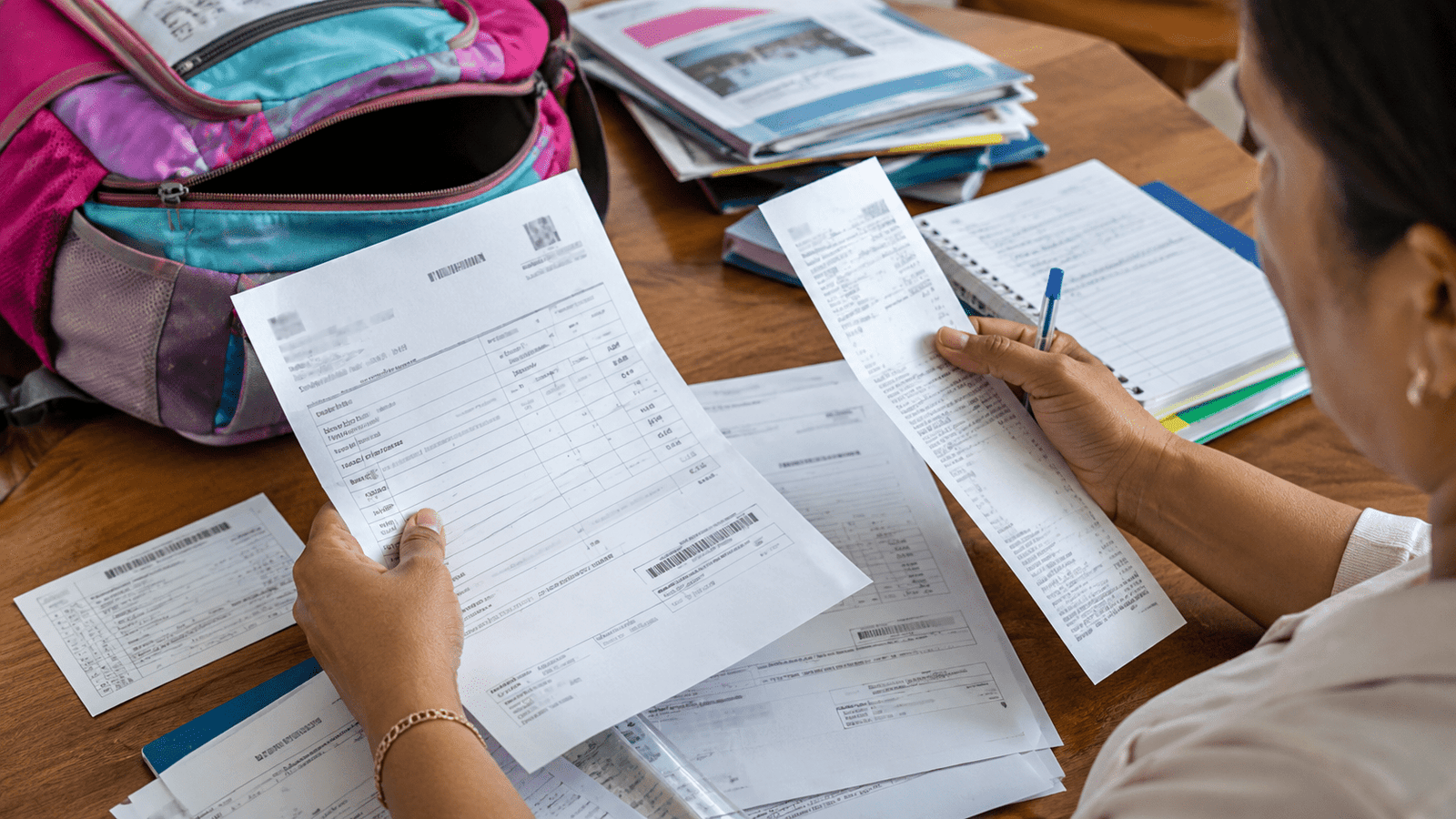
One of the most important tax benefits available to many residents is the deduction for qualifying education expenses under Law No. 179-09.
Eligible salaried employees, self-employed professionals, and other qualifying taxpayers may report certain education expenses incurred for themselves or their direct dependent children. Eligible expenses generally include:
- Preschool education
- Primary education
- Secondary education
- Technical education
- University degree programs
- Postgraduate studies
- Enrollment fees and qualifying tuition payments
To qualify, expenses must generally be supported by valid fiscal receipts (NCF) and reported within the deadlines established by the Dirección General de Impuestos Internos (DGII). The benefit is designed to reduce the taxpayer’s effective income tax burden rather than create a general education subsidy.
Deductions for self-employed professionals
Residents who earn income from independent professional activities or other self-employed work are generally permitted to deduct ordinary and necessary business expenses directly related to producing their taxable income.
Examples may include legitimate operating costs incurred while generating professional income, provided they satisfy the documentation requirements established by Dominican tax law.
Unlike salaried employees, self-employed individuals generally calculate taxable income after deducting qualifying business expenses. Proper accounting records and valid tax documentation are essential because unsupported expenses may be disallowed during a tax review.
Employment income exclusions
Not every payment received from an employer is treated as taxable salary.
Dominican tax legislation excludes certain employment-related payments from taxable income, including specific mandatory social security contributions and several legally defined benefits.
Examples include:
- Mandatory employee contributions to the Social Security System.
- Mandatory pension fund (AFP) contributions.
- Certain employer-paid health insurance contributions for eligible dependents.
- The legally recognized Christmas salary (Salario de Navidad), subject to the applicable legal treatment.
- Certain compensation related to workplace injuries or disability.
These exclusions reduce the amount of employment income subject to income tax withholding and therefore lower the employee’s taxable base.
Tax credits versus deductions
Many taxpayers confuse deductions with tax credits, but they operate differently.
A deduction reduces taxable income before tax is calculated, while a tax credit directly reduces the amount of tax payable after the calculation has been completed.
Some Dominican tax incentives, such as those established for qualifying renewable energy investments under separate legislation, operate through tax credits rather than traditional deductions. Eligibility depends on satisfying the legal requirements applicable to each incentive.
Who can claim these benefits?
Eligibility depends on several factors, including the taxpayer’s residency status, the source of income, employment classification, and compliance with DGII filing requirements.
In general, residents earning employment income benefit automatically from the annual exemption through payroll withholding, while self-employed taxpayers generally claim eligible deductions and exemptions when filing their annual income tax return.
Accurate documentation is essential. The DGII may require supporting invoices, fiscal receipts, accounting records, or other evidence before allowing certain deductions or tax benefits.
Common deductions that are not available
Foreign residents who move to the Dominican Republic are often surprised by the limited number of personal deductions available compared with tax systems in North America or Europe.
In general, taxpayers cannot deduct many everyday personal expenses simply because they were incurred during the year. Unless a deduction is specifically authorized by Dominican tax legislation, it is generally not allowed.
Examples of expenses that are typically not deductible for individual residents include:
- General household expenses.
- Personal food and grocery purchases.
- Utility bills for a private residence.
- Personal transportation costs unrelated to a business activity.
- Personal travel and vacations.
- Consumer loan repayments.
- Ordinary clothing purchases.
Business owners and self-employed professionals may deduct qualifying business expenses, but these must be directly connected to generating taxable income and supported by appropriate documentation.
Documentation requirements
Claiming a deduction or tax benefit generally requires supporting documentation. The Dominican tax authority, the Dirección General de Impuestos Internos (DGII), may request evidence that an expense meets the legal requirements established by tax regulations.
Depending on the deduction being claimed, taxpayers may need to retain:
- Official fiscal receipts (NCF).
- Invoices issued by registered businesses.
- Payment confirmations.
- Contracts.
- Accounting records.
- Payroll documentation.
- Educational institution receipts.
Keeping complete records throughout the year makes it significantly easier to prepare an annual income tax return and respond to any future requests for supporting information.
Annual tax filing obligations
Not every resident is required to submit an annual individual income tax return.
Many employees whose only income comes from salary and whose employer has correctly withheld income tax throughout the year may not have additional filing obligations beyond payroll withholding. By contrast, self-employed professionals, business owners, and individuals with additional taxable income are generally required to file an annual declaration with the DGII.
Because filing requirements vary depending on the taxpayer’s circumstances, residents should confirm whether they are required to submit an annual return and whether any available deductions or exemptions must be claimed through that filing.
Residents versus non-residents
Tax residency plays a significant role in determining which tax rules apply.
Individuals who qualify as Dominican tax residents generally have broader reporting obligations than non-residents, while non-residents are typically taxed only on Dominican-source income that is subject to the applicable withholding or filing rules.
Eligibility for certain deductions, exemptions, or tax benefits may also depend on residency status. Anyone relocating to the Dominican Republic should determine when they become a tax resident under Dominican law and how that change affects their tax obligations.
Practical tips for maximizing legitimate tax benefits
Although the Dominican Republic does not offer an extensive system of personal deductions, careful record-keeping and understanding the available benefits can help reduce unnecessary tax liabilities.
Good practices include:
- Keep all fiscal receipts for deductible expenses.
- Register education expenses promptly when applicable.
- Maintain organized accounting records if self-employed.
- Review annual adjustments to the tax-exempt income threshold.
- Verify that payroll withholdings are accurate.
- Seek professional advice when earning income from multiple sources or from overseas investments.
Frequently asked questions
Can residents deduct mortgage interest?
Dominican tax law does not generally provide a broad personal deduction for mortgage interest comparable to those available in some other countries. Any available tax treatment depends on the specific legal framework applicable to the financing arrangement.
Can I deduct medical expenses?
Routine personal medical expenses are generally not deductible for individual income tax purposes unless a specific legal provision provides otherwise.
Are charitable donations deductible?
Certain donations may qualify for favorable tax treatment under specific laws, but individuals should verify the eligibility requirements, the type of organization receiving the donation, and any applicable limitations.
Do foreign residents receive the same annual personal exemption?
Individuals who qualify as tax residents generally benefit from the annual tax-exempt threshold under the same rules as Dominican nationals, provided they meet the legal requirements for tax residency.
How often do exemption thresholds change?
The annual tax-exempt income threshold is typically adjusted periodically to reflect inflation. The DGII publishes updated thresholds applicable to each tax year.
Final thoughts
The Dominican Republic’s personal income tax system is relatively straightforward, but its deductions and exemptions are more limited than those found in many other jurisdictions. For most resident taxpayers, the annual personal exemption represents the primary tax benefit, while education expense deductions, legitimate business expenses for self-employed individuals, and specific statutory tax incentives may further reduce taxable income or tax liability.
Understanding which benefits apply—and maintaining the documentation needed to support them—is essential for complying with Dominican tax law while avoiding unnecessary tax payments. As tax legislation and exemption thresholds can change, taxpayers should review the latest guidance issued by the DGII before preparing their annual tax return or consult a qualified Dominican tax professional for advice tailored to their circumstances.