 26°C
26°C

Building A House In Dominican Republic: 6 Steps To Know
Building a house in the Dominican Republic involves more than choosing a design and buying materials. Reviewing land documents, planning rules and required permits before construction can help reduce delays and unexpected costs.


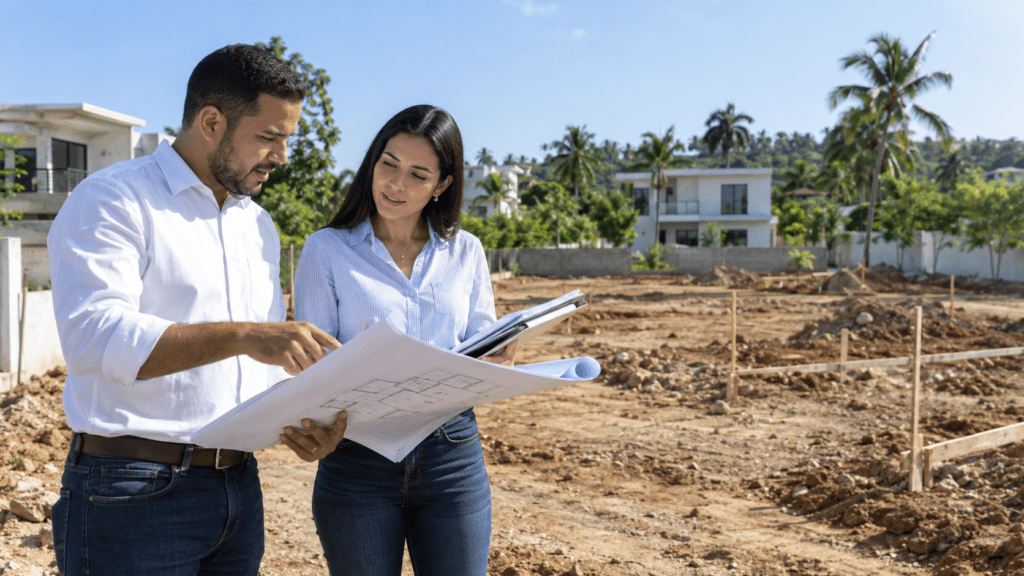
For anyone planning to build a home in the Dominican Republic, the first steps take place long before construction begins. Land documentation, planning requirements, architectural plans and government approvals can all affect whether a project moves forward as intended.
The specific requirements can vary depending on the location and characteristics of the project, but understanding the main procedures can help homeowners organize the construction process and identify potential issues before work begins.
1. Verify The Land Documentation
Before developing a construction project, the legal status of the land should be reviewed. This includes verifying ownership and checking whether there are legal circumstances that could affect the property or the proposed construction.
For buyers who have not yet acquired the land, having a qualified professional review the property documentation before completing the purchase can help identify potential problems at an early stage.
2. Check The Land Use Rules
Land-use regulations determine what types of development are permitted in a particular area and under what conditions. These rules can influence the design and approval of a residential project.
For that reason, it is advisable to check the applicable planning and zoning requirements in the municipality where the property is located before finalizing the architectural design.
This step can help prevent a situation in which a house is designed according to specifications that cannot ultimately be approved for the site.
3. Prepare The Architectural Plans
An architect plays a central role in turning the homeowner’s plans into a construction project. Architectural drawings establish the layout, dimensions and other technical elements needed to develop the house.
A properly prepared project can also facilitate the review and approval of the documentation required by the relevant authorities.
Planning the project carefully at this stage can also provide better control over construction costs by defining the scope of the work before materials and labor are committed.
4. Obtain The Construction Permit
One of the central steps is obtaining the required construction permit before starting work. Depending on the project, the process involves submitting technical and administrative documentation for review by the competent authorities, including the Ministry of Housing, Habitat and Buildings.
Starting construction without confirming that the necessary authorizations have been obtained can create administrative and financial problems later in the project.
5. Review Municipal Requirements
National construction procedures are not necessarily the only requirements that apply. Municipal authorities can establish rules concerning issues such as land use, setbacks, building height and the percentage of a property that may be occupied.
Because requirements can differ between municipalities and according to the type of project, homeowners should verify the applicable rules for the specific location before construction begins.
6. Determine Whether Environmental Approvals Are Required
Some construction projects may require environmental permits or other authorizations depending on their location, size and characteristics.
This can be particularly relevant for properties near rivers, coastal areas, protected areas or other environmentally sensitive locations.
Determining whether environmental requirements apply during the planning stage can help prevent interruptions once construction is underway.
How Long Does It Take To Build A House?
There is no single construction timeline that applies to every home in the Dominican Republic. The duration can depend on the size and complexity of the property, its location, the design, required permits, availability of materials and access to skilled labor.
A realistic construction schedule should therefore account for both the administrative procedures and the physical execution of the project.
Planning Comes Before Construction
Building a home in the Dominican Republic requires more than selecting a design and beginning construction. Verifying the land, understanding local planning rules and obtaining the required approvals are important parts of the process.
For homeowners and property investors, addressing these issues before construction begins can help reduce the risk of delays, unexpected expenses and changes to the original project.
The specific requirements will depend on the property’s location and the characteristics of the proposed construction, making early professional advice particularly important before work begins.