 25°C
25°C

Construction Groups Warn Wage Increase Could Raise Housing Costs
Dominican Republic construction groups are calling for renewed dialogue over a proposed 20% wage increase, warning that the measure could push up housing costs and make homeownership more difficult for families.


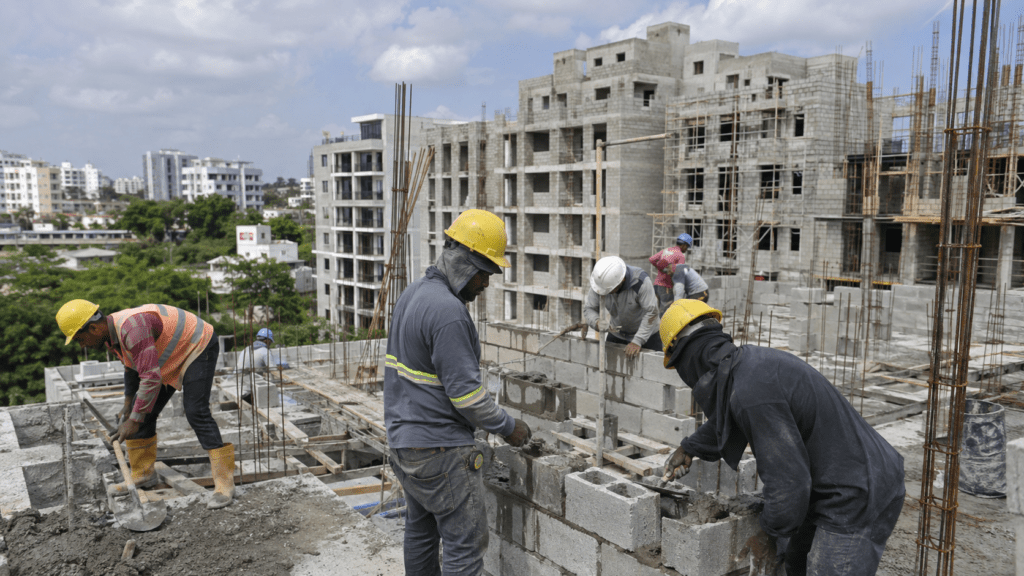
The Dominican Association of Home Builders and Developers (ACOPROVI) and the broader construction sector are urging the authorities, employers and labor representatives to reopen negotiations over wages after recent discussions led by the Ministry of Labor and the National Salary Committee (CNS).
ACOPROVI said it supports efforts to improve workers’ incomes and quality of life, while arguing that salary decisions should also take into account the sector’s overall cost structure and the effect on housing affordability.
The organization estimates that labor accounts for approximately 30% of total construction costs. Based on that structure, it calculates that a 20% wage adjustment could translate into an estimated 6% increase in the direct cost of housing.
Construction Sector Seeks Balance Between Wages and Housing Costs
ACOPROVI, together with the United Construction Sector, said it recognizes the contribution of construction workers to infrastructure development and economic growth. At the same time, it warned that a wage adjustment significantly above consumer price inflation could create additional pressure on the industry’s cost structure.
The association cited an 8.05% increase in the Consumer Price Index (CPI) over the period under discussion. A 20% salary increase would therefore be more than twice the cited inflation rate, according to the sector’s assessment.
For developers and builders, higher labor costs can feed into the overall cost of delivering residential projects. ACOPROVI argues that this could ultimately affect the prices paid by buyers, particularly families seeking to purchase their first home.
Industry Calls for Renewed Social Dialogue
Rather than opposing improvements in workers’ compensation, the construction organizations are asking for what they describe as a technically balanced approach to wage negotiations. They said social dialogue remains the appropriate mechanism for reaching agreements that can be sustained by employers and workers alike.
The appeal comes as the Ministry of Labor and the National Salary Committee continue to play a role in the institutional process surrounding wage-setting in the Dominican Republic. ACOPROVI said it respects the authorities, employer organizations and labor unions involved in the negotiations.
The group is seeking formulas that improve workers’ purchasing power while limiting additional pressure on residential construction costs. The issue is particularly relevant to the housing market because changes in construction expenses can influence the final price of newly built properties.
Housing Affordability Remains Central to the Debate
ACOPROVI’s position links the wage discussion directly to the challenge of housing affordability. Its argument is that a substantial increase in construction costs could make it harder for Dominican families to afford a home, particularly if the additional expense is reflected in property prices.
The association therefore called for negotiations to resume with the objective of reaching an agreement that supports workers without undermining families’ ability to purchase a home or the long-term sustainability of the construction industry.
The construction sector is a significant component of the Dominican economy, connecting employment, infrastructure development and residential investment. The outcome of the wage discussions could consequently have effects beyond payroll costs, particularly for the pricing and accessibility of new housing.