 25°C
25°C

Dominican Republic Faces Growing Risks As Ocean Conditions Change
A new United Nations assessment of the world's oceans highlights accelerating sea-level rise, warming waters and marine pollution, trends with direct implications for the Dominican Republic's coastline, coral reefs, fisheries and tourism economy.


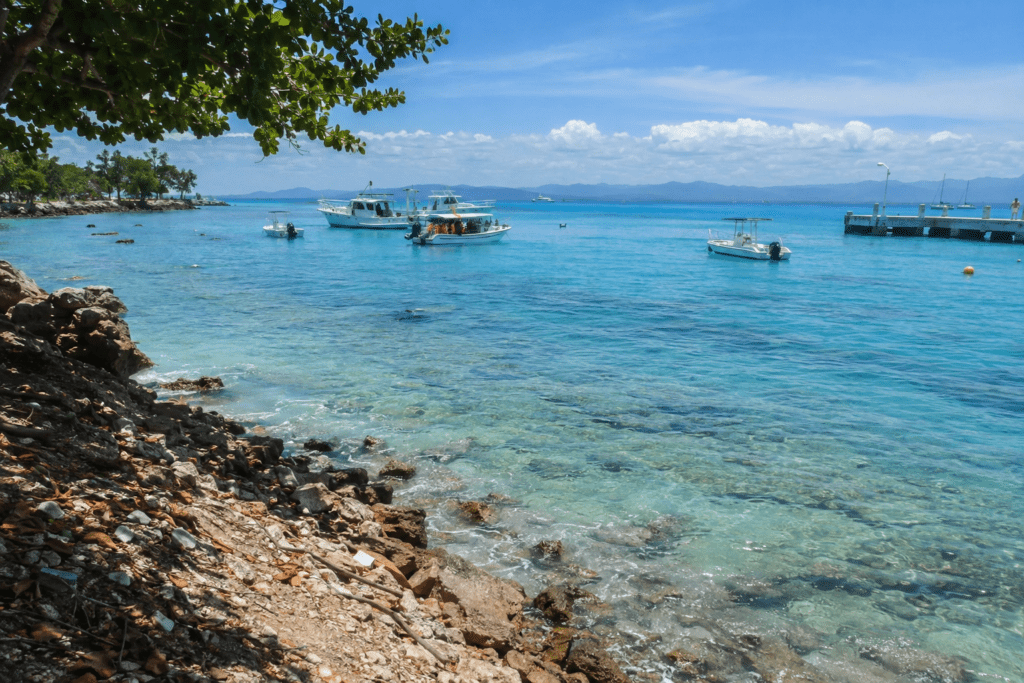
The Dominican Republic’s dependence on the sea is making the country increasingly exposed to changes documented in the United Nations’ third World Ocean Assessment. Released in June 2026, the assessment found that human pressure on marine ecosystems is intensifying, with rising sea levels, ocean warming, pollution and biodiversity loss occurring at the same time.
For an island nation in the Caribbean, the findings extend well beyond environmental concerns. Coastal tourism, fisheries, marine biodiversity and communities located near the shoreline all depend on functioning ocean ecosystems. The country’s recent efforts to strengthen coral conservation and marine protection also show how the global changes identified by the United Nations are becoming increasingly relevant to Dominican policy.
Sea-Level Rise Adds Pressure To Dominican Coastal Areas
Global mean sea level rose at an average rate of 4.3 millimeters per year between 2013 and 2023, more than twice the 2.1 millimeters recorded between 1993 and 2002. The increase is driven mainly by the expansion of warmer seawater and the melting of land-based ice.
Those global figures do not mean that every Dominican coastline will rise at exactly the same rate. Local ocean conditions, coastal geography, tides and storms can produce different impacts. But higher average sea levels can increase the exposure of low-lying coastal areas to flooding, erosion and storm surges.
That is particularly relevant to the Dominican Republic because major population centers, tourism developments and economic infrastructure are concentrated along the coast. Beaches, coral reefs, mangroves and seagrass ecosystems also provide natural protection and support marine life, making their condition an important part of long-term coastal resilience.
Warming Oceans Put Coral Reefs Under Greater Stress
The United Nations assessment found that approximately 16% of the total increase in ocean heat content since 1955 occurred from 2018 onward. The Atlantic has experienced particularly strong warming, a finding of direct relevance to a Caribbean country surrounded by Atlantic and Caribbean waters.
Warmer water can contribute to marine heatwaves, alter the distribution of species and increase stress on coral reefs. Coral ecosystems are especially important in the Dominican Republic because they support biodiversity while also contributing to coastal protection and marine tourism.
The Dominican government’s own environmental authorities have recently highlighted the economic consequences of coral degradation. In April, the Ministry of Environment and Natural Resources said damage to coral reefs poses risks to the country’s economy, coastal protection and biodiversity. The ministry also cited sector estimates that reefs support a large share of Dominican tourism.
In June, the Dominican Republic joined an international commitment focused on protecting coral reefs considered more resilient to climate change. The initiative is designed to use scientific information to identify reefs with greater prospects of surviving warmer ocean conditions and prioritize conservation efforts.
Plastic Pollution Is Another Challenge For The Caribbean
The United Nations assessment estimates that 52.1 million metric tons of plastic waste enter the ocean each year. The report says plastic pollution affects marine ecosystems at every level, while microplastics are increasingly being detected throughout the marine environment.
For the Dominican Republic, marine pollution has implications for both coastal ecosystems and the visitor experience in destinations built around beaches and clear water. Waste entering rivers, drains and coastal areas can eventually reach the sea, making waste collection and management an important component of marine conservation.
The issue is also connected to fishing. Marine debris can damage habitats and fishing equipment, while plastic pollution can affect species that are part of marine food webs. Reducing the amount of waste entering coastal waters therefore requires measures on land as well as at sea.
More Protection And Research Are Emerging In The Dominican Republic
The country is also expanding efforts to strengthen its marine conservation capacity. In June 2026, the Ministry of Environment announced that the Dominican Republic had been selected as one of three pilot countries for an international initiative designed to develop sustainable financing mechanisms for protecting 30% of national ocean areas by 2030. The initiative includes potential tools such as tourism fees, blended finance, parametric insurance and blue-carbon projects.
Scientific knowledge is another priority. The Dominican Republic and Colombia announced plans to participate in a major deep-water research expedition in the Beata Submarine Ridge, with a mission scheduled for 2027. The project is expected to expand knowledge of deep-sea ecosystems in an area of ecological importance to both countries.
The need for more research is global. The United Nations assessment says only 27.3% of the world’s seafloor had been mapped by 2025, leaving significant gaps in understanding deep-sea ecosystems, biological processes and the cumulative effects of human activity.
The Dominican Economy Is Closely Linked To Ocean Health
The connection between marine conservation and the Dominican economy is particularly visible in tourism. Coastal destinations such as Punta Cana, Bayahibe and Puerto Plata depend on beaches and marine ecosystems that attract international visitors. Coral reefs and mangroves also contribute to coastal resilience, while fisheries provide food and income for communities.
Recent actions by the Dominican government and private-sector partners reflect that connection. In April, the Ministry of Environment signed an agreement with Iberostar Hotels & Resorts covering conservation and restoration initiatives in coastal areas of La Altagracia and Puerto Plata, including coral reefs and mangroves. The agreement also includes waste-management and environmental-education measures.
For residents, investors and visitors, the long-term condition of these ecosystems can therefore influence more than biodiversity. Coastal erosion, flooding, degraded reefs and declining marine resources can affect infrastructure, tourism assets, fisheries and the attractiveness of coastal destinations.
Global Ocean Changes Are Becoming A Local Policy Issue
The United Nations assessment does not suggest that individual countries can reverse these trends on their own. Instead, it emphasizes that climate change, pollution, overfishing and biodiversity loss are interacting pressures that require coordinated responses.
The Dominican Republic’s participation in international coral-conservation initiatives, its plans for expanded marine financing and its investment in deep-sea research indicate that ocean resilience is becoming an increasingly important part of the country’s environmental agenda.
The challenge will be to translate those commitments into long-term protection of the ecosystems that support coastal communities and major economic activities. For a country whose identity, tourism industry and geography are closely tied to the sea, the condition of the ocean is increasingly inseparable from the country’s economic and environmental resilience.
Readers seeking the full scientific findings can consult the United Nations summary of the Third World Ocean Assessment.