 25°C


Logistics Industry in the Dominican Republic: Economic Role and Growth
The logistics industry in the Dominican Republic supports the movement of goods that connects domestic businesses with international markets. By enabling imports, exports, manufacturing, distribution and retail, it plays an important role in the country's economic activity and investment environment. Trade growth, the expansion of export-oriented industries and the country's position in the Caribbean all influence demand for logistics services.


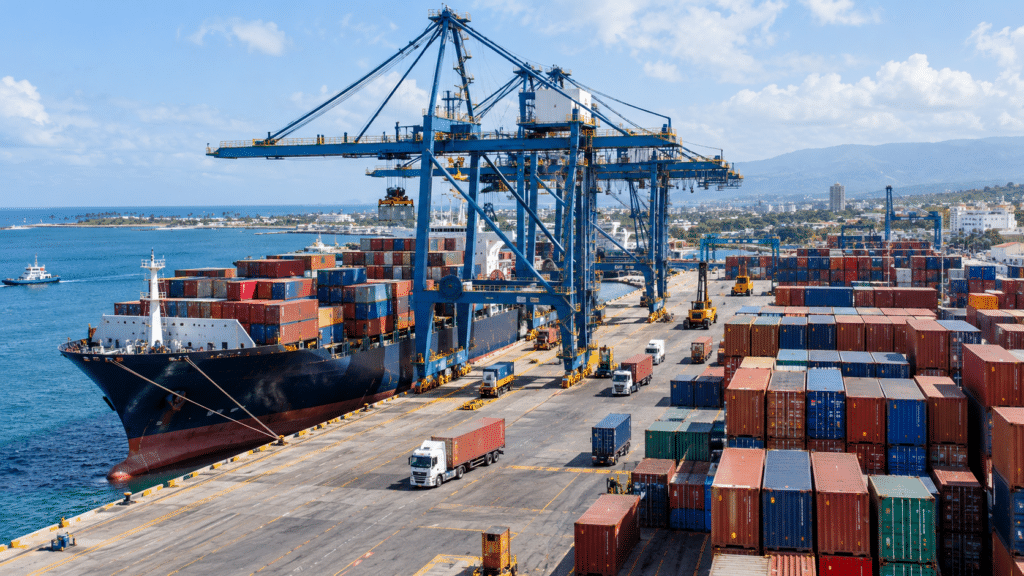
The logistics industry in the Dominican Republic is an essential part of the country’s productive and commercial economy. It connects suppliers, manufacturers, importers, exporters and retailers, helping goods move between domestic markets and international trading partners.
The sector benefits from the Dominican Republic’s location in the Caribbean, its integration into international trade and the presence of export-oriented industries, including manufacturing in free zones. As commercial activity expands, businesses require reliable logistics services to manage goods flows, control costs and reach customers efficiently.
Economic Contribution of the Logistics Industry
Logistics contributes to economic activity through the services businesses need to move and distribute goods. Its impact extends beyond companies whose primary activity is logistics, since manufacturing, retail, agriculture, tourism and international trade all depend on the effective movement of products and supplies.
A study presented by the Ministry of Industry, Commerce and SMEs (MICM) in May 2025 estimated that logistics contributed 3.14% of Dominican GDP in 2023, including direct and indirect effects. Its direct contribution was estimated at 2.43%. The study projected that total contribution could reach 3.78% of GDP by 2034. These figures are estimates from a sector-specific study, rather than the same measure as the broader national accounts category of transportation and storage.
The same study found that direct employment in logistics increased by more than 138% between 2012 and 2023. Including indirect employment, growth reached 226%, highlighting the sector’s role in job creation and its connections with other economic activities.
Logistics, Imports and Exports
International trade is a major source of demand for logistics services. Importers depend on the sector to bring raw materials, machinery, consumer goods and other supplies into the country. Exporters need efficient processes to deliver Dominican products to foreign buyers while meeting commercial requirements and delivery schedules.
The importance of these services is reinforced by the country’s export performance. Dominican exports reached approximately US$14.65 billion in 2025, according to figures announced by ProDominicana. Although export value does not measure logistics revenue, it illustrates the scale of the commercial activity that depends on effective distribution and international connections.
Logistics is also important to manufacturing, particularly for businesses that import components, operate under export-oriented regimes or serve customers across several markets. Efficient goods movement can improve delivery reliability, support inventory planning and strengthen the competitiveness of Dominican producers.
Investment and Business Opportunities
Logistics supports investment by connecting businesses with suppliers, customers and international markets. Companies evaluating the Dominican Republic as a manufacturing or distribution location consider not only labor and production costs, but also the reliability, cost and availability of services needed to move goods.
Demand for logistics services can create opportunities for established operators, specialized service providers, infrastructure investors and companies supporting trade-related activities. Growth, however, depends on commercial demand, operating efficiency, regulatory requirements and the ability to compete on cost and reliability.
For investors, the sector’s economic importance should be distinguished from the performance of any individual business. Strong trade volumes do not automatically guarantee attractive returns: profitability depends on the specific service, customer base, cost structure and investment requirements.
Evolution and Outlook
The Dominican logistics industry is developing alongside the country’s changing trade patterns, manufacturing activity and ambition to strengthen its role in regional commerce. Greater attention to efficiency, coordination and the economic value of logistics has also improved the availability of sector-specific information.
The MICM study’s projection of a 3.78% contribution to GDP by 2034 indicates the potential for further expansion, although it remains a forecast rather than a guaranteed outcome. Future growth will depend on trade performance, investment, business competitiveness and the sector’s ability to meet the needs of domestic and international customers.
Logistics is therefore best understood as both an independent economic activity and an enabling service for the wider Dominican economy. Its contribution reaches beyond transport and distribution companies to the manufacturers, exporters, importers and retailers whose competitiveness depends on getting goods to the right place at the right time.